
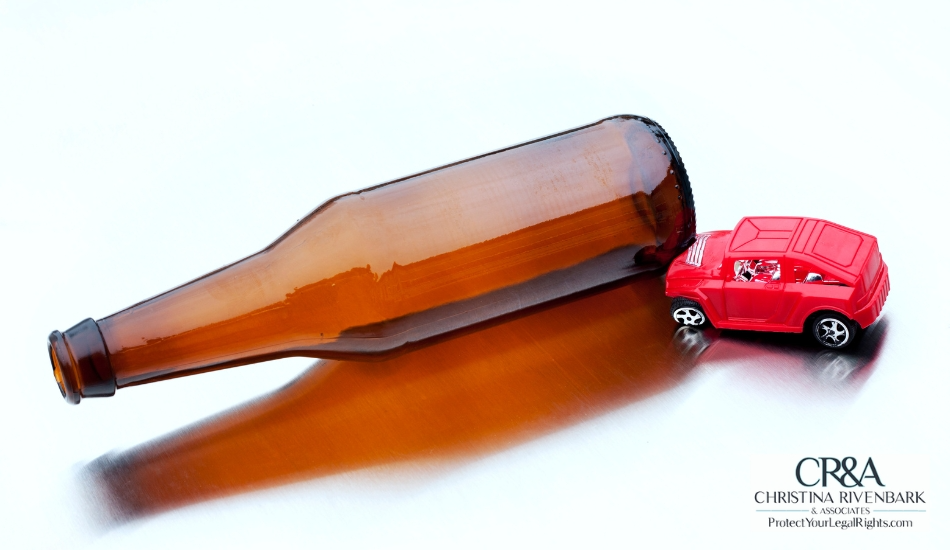
Driving while intoxicated (DWI) is a serious criminal offense, and the penalties for conviction can include fines, jail time, and loss of your driving privileges. State law enforces a sliding scale for DWI offenses, separating them by “levels” to indicate their severity. Level 1 DWI is the most severe, while Level 5 is the least severe. However, even a Level 5 DWI in North Carolina can have several consequences.
If you drive in North Carolina, it is crucial to refrain from consuming alcohol or drugs before getting behind the wheel. If you are arrested for a DWI offense in the state, the level of your offense hinges on the presence of aggravating and mitigating factors in your case, like the level of alcohol in your blood or whether anyone was injured in an accident.
There were 12,146 collisions in North Carolina that involved alcohol in 2023, which led to 8,103 injuries and 377 fatalities. Impaired driving offenses are more likely to lead to fatalities compared to most types of accidents, and penalties are severe to discourage dangerous impaired driving.
Determinar el nivel de un DWI
Un factor "agravante" en un caso de DWI es cualquier variable en el caso que aumenta la severidad de la condena. Por ejemplo, si su ofensa esta en la cúspide del Nivel 2 o Nivel 1, demasiados factores agravantes lo empujaran hacia el Nivel 1. Causar daños significativos a la propiedad, herir a alguien, conducir con una concentración de alcohol en la sangre (BAC) excesivamente alta de .15%, o causar lesiones fatales por DWI son factores agravantes comúnmente citados.
A “mitigating” factor in a DWI case is a variable that works in the defendant’s favor, in contrast to how aggravating factors influence the case. For example, common mitigating factors that may alleviate a defendant’s situation may include complying with arresting officers’ directions, a clean criminal record, or an arrest during a traffic stop rather than after an accident.
Level 5 DWI is the lowest level DWI charge an individual can face. You will qualify for this level if your DWI offense did not involve any aggravating factors or if the mitigating factors in your case outweigh any aggravating factors. In fiscal year 2024, there were 24,694 convictions of DWIs in North Carolina, and 58% of those were at level 5. Cases are handled by the Superior or District Court of the relevant county, such as the New Hanover Court for District 6.
Sanciones por Nivel 5 DWI en Carolina del Norte
If you are convicted of a Level 5 DWI offense, the penalties you face are likely to include a fine, a driver’s license suspension, and possibly jail time. However, most judges handling Level 5 DWI cases are willing to consider alternative penalties in place of jail time, especially for first offenders.
For the defendant’s fine, they may be forced to pay $200 plus court costs. They may also be required to attend mandatory substance abuse treatment and/or a drug and alcohol safety course. Their license will be suspended for one year, but if they require the ability to drive for work, they may be able to obtain a restricted license. This would enable them to drive for essential purposes until the suspension period expires.
You may have more room for flexibility in your sentencing than you initially realize, and the most useful asset to have in this situation is the attorneys at Christina Rivenbark & Associates. They have years of experience in DWI defense, and if your case is on the edge of a Level 5 offense, we can help you make the strongest case possible for minimal penalties. In addition, our team will assist you in uncovering every mitigating factor we can to improve your position before the judge.
Potential Defenses for a DWI Case in North Carolina
The right defense for your DWI case in North Carolina will rely on the facts of your arrest and alleged offense. Some defenses may be used to secure a Level 5 DWI instead of a more severe DWI charge, while other defenses may seek to avoid conviction entirely. A defense for your case may be:
- Challenge field sobriety tests. Field sobriety tests are administered by a law enforcement officer if they believe you are impaired during a traffic stop. These tests are optional and must follow the procedure. If the procedure isn’t followed, the results of the test can be challenged. Even when they are done properly, the tests can be subjective and vulnerable to outside factors like personal medical conditions.
- Challenge chemical tests. A chemical test after an arrest is not optional, and refusing can lead to other consequences. If a blood, breath, or urine chemical test shows that your BAC was over the legal limit, there are still options for your defense. The administration of the test has to be done properly, and the machine has to be calibrated correctly. Chain of evidence issues can also call into question the validity of the results.
- Constitutional rights violations. If evidence was secured by violating your constitutional rights, then that evidence could be suppressed. This could prevent the prosecution from meeting its burden of proof. Constitutional rights violations can include a lack of probable cause to conduct the traffic stop or failure to read your Miranda rights after an arrest. North Carolina does have DWI checkpoints, but those must still follow procedures.
- Not driving. A DWI offense is when you are driving a vehicle under the influence. If you were not driving and were instead parked with the vehicle off, this may be proof that you did not commit a DWI offense.
- Not under the influence. The evidence of your impairment that the prosecution presents could be challenged by showing you were not impaired, but there is another explanation for that evidence. A medical condition or your medication could have caused the symptoms an officer saw or the test results.
Preguntas frecuentes
¿Debo contratar a un abogado defensor para un cargo de DWI de nivel 5?
Si usted es acusado de cualquier delito de DWI en el estado, siempre es aconsejable tener un abogado de su lado. Su Abogado defensor de DWI could help you avoid a conviction if you can prove you did not commit the offense in question, and if you did commit a DWI offense, they might be able to help you mitigate your penalty. Ultimately, you have the greatest chance of reaching a positive outcome for your case with your attorney’s assistance.
¿Ira a la carcel por primera vez por un nivel 5 de DWI en Carolina del Norte?
The minimum jail time for a first-time Level 5 DWI is 24 hours to 60 days. However, if this is your first criminal offense and no aggravating factors are present, it’s possible for the judge to opt for community service or other alternative punishment in lieu of jail time. The ideal way to avoid jail for a first-time Level 5 DWI offense in the state is to hire a Abogado defensor de DUI que pueden ayudarle a minimizar sus sanciones.
¿Cómo puedo obtener un cargo de DWI desestimó?
Usted puede potencialmente tener su Se retira el cargo de conducir ebrio and your case dismissed if you can prove that the officer who arrested you failed to establish probable cause for the arrest. Alternatively, if you can prove that your rights were violated in any way by the police or that you were not intoxicated when you were arrested, these variables could also help you avoid conviction. It’s much easier to dismiss a DWI charge when you hire a DWI lawyer.
¿Cuánto cuesta contratar a un abogado defensor de DWI?
La mayoría de los abogados de defensa criminal en Carolina del Norte cobran tarifas por hora por su representación, lo que significa que cuanto más tiempo pasen trabajando en su caso, más le costará en honorarios legales. Antes de contratar a un abogado de defensa criminal, asegúrese de entender su política de facturación. Algunos abogados ofrecen tarifas fijas por servicios legales específicos, así como tarifas por hora.
¿Cuánto tiempo permanece un DWI en mi registro?
The “lookback period,” or the time your DWI conviction will be considered a prior offense in repeat DWIs, is seven years. However, if you were convicted of a felony DWI, the sentence is increased to 10 years. Unfortunately, DWI convictions cannot be expunged from your record, so your conviction will remain visible on background checks.
Hire a DWI Lawyer to Navigate Your DWI Case
The attorneys at Christina Rivenbark & Associates have assisted many past clients with DWI defense, and we are ready to put this experience to work for you. If you need defense representation for your impending DWI case, we are ready to help you determine your available options for defenses and guide you through the challenging proceedings ahead. Póngase en contacto con nosotros y programe su consulta gratuita con un abogado defensor de DWI en el que pueda confiar.




 EN
EN