

Quick Summary
The timeline for a North Carolina personal injury case depends on medical treatment, liability disputes, insurance coverage, negotiation, and whether a lawsuit becomes necessary. Some claims resolve after treatment is complete and records are gathered. Others take longer because the insurance company disputes fault, the injuries are still developing, or the case needs litigation.
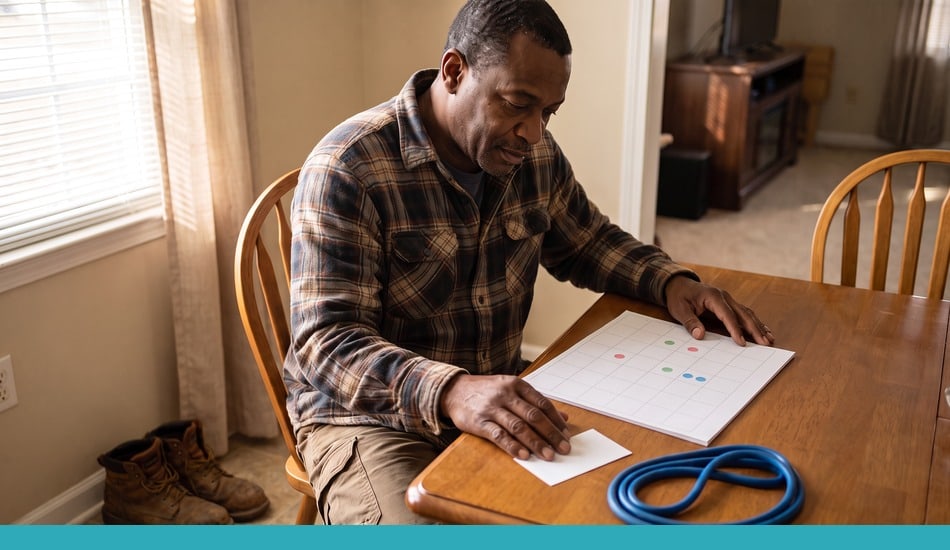
People usually ask how long a personal injury case takes because life is already disrupted.
They are missing work. The car may still be in the shop. Bills are arriving. The insurance company may be calling. They want to know when this will be over.
The honest answer is: it depends on the facts.
That may sound frustrating, but it is better than a false promise.
The Medical Timeline Comes First
Many injury claims should not be evaluated too early. If you settle before you understand your injuries, you may accept money before knowing whether you need more treatment.
A lawyer usually wants to understand:
- Diagnosis
- Treatment plan
- Pain level
- Work restrictions
- Future care
- Medical bills
- Whether symptoms have stabilized
The case timeline often follows the medical timeline.
Fault Can Slow Things Down
North Carolina is especially strict about fault issues. If the insurance company argues you contributed to the crash, that can complicate the claim.
That does not mean you should give up. It means the facts, crash report, witness statements, photos, and medical records matter.
Negotiation Takes Time
Once treatment and records are clearer, the claim can usually be presented to the insurance company. The adjuster reviews it, responds, and negotiations may follow.
If the offer is fair, the case may resolve without filing a lawsuit. If the offer is not fair, the next step may require more pressure.
Some Cases Need Litigation
Filing a lawsuit does not mean the case will definitely go to trial. Many filed cases still settle. But litigation can add time because court deadlines, discovery, mediation, and hearings may be involved.
Why Fast Is Not Always Better
Most injured people want the case done quickly. That is understandable. But a fast settlement can be a bad settlement if it happens before the medical picture is complete.
Once a claim is resolved, the injured person generally cannot come back later and ask for more because symptoms got worse or new treatment became necessary. That is why the legal team may wait for records, bills, and medical opinions before pushing for resolution.
The goal is not delay for delay’s sake. The goal is to avoid closing the claim before the cost of the injury is known.
What You Can Do to Keep the Case Moving
You can help by going to appointments, following medical advice, saving bills, keeping work notes, taking photos when symptoms are visible, and forwarding insurance letters quickly.
Good communication helps. If you move, change phone numbers, miss treatment, or receive a settlement offer, tell the legal team. Small updates can prevent avoidable delays.
The Bottom Line
A personal injury case can move only as fast as the facts allow. Rushing a claim before the injury is understood can hurt the injured person. Waiting too long without guidance can also create problems.
If you were hurt in a North Carolina accident and want to understand the timeline, come on in, let’s talk. Call Christina Rivenbark & Associates in Wilmington at 910-251-8080 or in Leland at 910-793-0000.



 ES
ES