North Carolina is one of a small number of states that still applies pure contributory negligence. If a jury finds you even one percent at fault for the accident, you recover nothing. Insurers use this rule aggressively to deny claims.
A Prayer for Judgment Continued blocks a conviction under North Carolina DMV rules, preventing license points from being assessed. But the insurance rule is separate and stricter: insurers are not bound by the DMV rule and apply their own Safe Driver Incentive Plan standards.
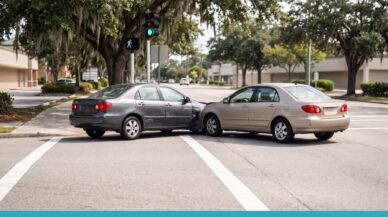
After a car crash in Wilmington, North Carolina law imposes three separate reporting obligations. You must file a police report, submit the DMV-349 form to the DMV within ten days if the crash caused injury or significant property damage, and notify your insurer promptly.
North Carolina follows pure contributory negligence, which bars recovery if the injured rider was even slightly at fault. The helmet rule creates a separate complication: riding without a helmet does not bar recovery entirely, but insurers use it to argue comparative fault on damages.
Missing medical appointments after a car crash can hurt your personal injury case in North Carolina. Here is what to do instead.
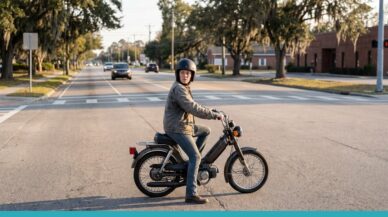
Being hit on a moped or scooter is a serious accident. North Carolina law still gives you rights, but the path to compensation is not always clear.
A first DWI arrest in Wilmington triggers an immediate civil license revocation before any court date. At your first court appearance the charge is formally read and a new date is set.
A denied Social Security Disability claim is not a final answer. Four appeal levels exist: reconsideration, an ALJ hearing, Appeals Council review, and federal district court.
Learn what to bring to your first personal injury consultation after a North Carolina accident, including crash, medical, and insurance documents.
North Carolina fault rules can affect injury claims. Learn why you should not accept an insurance company's partial-fault claim without review.
Want Google to Let You Know When We Post Next?












 ES
ES