
Quick Summary
An insurance adjuster can be polite, helpful, and professional while still working for the insurance company. After a North Carolina accident, you should be careful with recorded statements, early settlement offers, broad medical authorizations, and statements about fault or injuries. This article explains what the adjuster does, what to say, and when to speak with a lawyer before the claim moves forward.

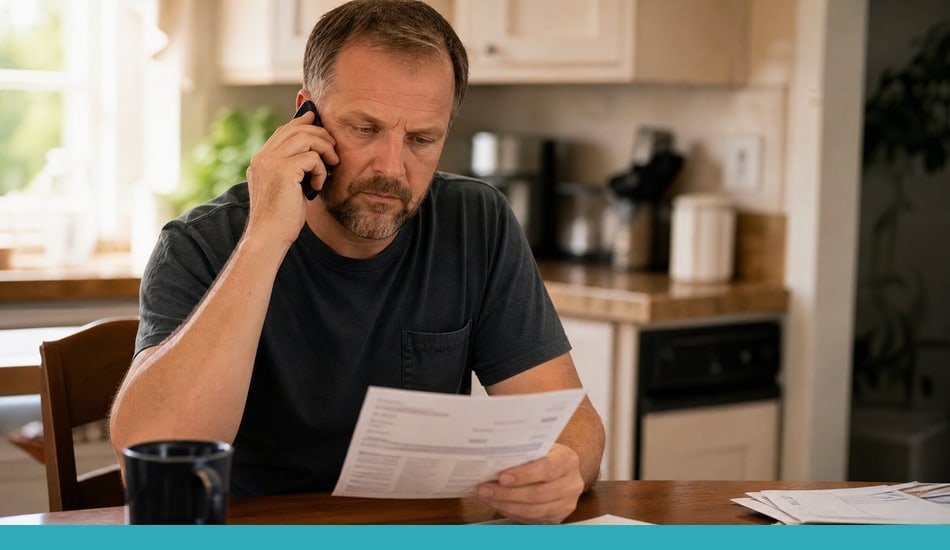
The insurance adjuster may sound genuinely nice. They may check on you, ask how you are feeling, and tell you they want to get this handled quickly.
That does not mean they are on your side.
It means they know how to do their job professionally. Their job is to investigate the claim for the insurance company, evaluate what the company may owe, and resolve the claim on terms the company accepts.
A Nice Tone Does Not Remove The Conflict
Most adjusters are not rude. Many are trained to be calm, organized, and reassuring. That can make the call feel safe.
But the adjuster still works for the insurance company, not for you.
That matters because your interests may be different. You may need time to understand your injuries. The insurance company may want a fast statement. You may need treatment. The company may want to limit what it pays. You may not know whether the pain will get worse. The company may want to close the file.
Polite does not mean neutral.
That distinction can be hard to remember when you are tired, in pain, and relieved that someone is finally returning your call. The adjuster may answer practical questions about your car or claim number, but they are not responsible for explaining every legal risk that could affect you. Their silence on an issue does not mean the issue is unimportant.
Be Careful With Recorded Statements
After a Wilmington or Leland accident, you may be asked to give a recorded statement. The adjuster may say it is routine.
Before you agree, understand the risk. You may not know the full extent of your injuries yet. You may still be shaken. You may use words that sound harmless in the moment but create problems later.
Examples include:
- “I am okay.” You may mean you are alive and not in an emergency, but it can sound like you were not hurt.
- “I did not see them.” That can be used in a fault dispute.
- “It was just a little sore.” Pain often worsens after the first day.
- “I can try to work.” That does not mean work is normal or pain-free.
You can provide basic facts without giving a broad recorded statement to the other driver’s insurer before you understand your rights.
Early Offers Usually Arrive Before The Full Picture Is Clear
An early settlement offer can feel like relief. You may have bills, missed work, car repairs, and pressure at home.
The problem is timing.
In the first days or weeks after an accident, you may not know:
- Whether you need follow-up care.
- Whether imaging will show a more serious injury.
- Whether you will miss work.
- Whether pain will affect daily tasks.
- Whether the other driver will dispute fault.
- Whether your own insurance coverage may apply.
Once you sign a release, you may not be able to come back later because the injury got worse. That is why it is wise to ask questions before accepting a quick offer.
The Adjuster May Ask For Medical Authorizations
Insurance companies often ask for permission to review medical records. Some requests are reasonable. Others may be broader than you expect.
Before signing a medical authorization, look at:
- What records are being requested.
- How far back the authorization goes.
- Which providers are included.
- Whether unrelated records could be pulled into the claim.
Medical history can matter in an injury claim, especially if the insurer argues your pain came from a prior condition. But that does not mean every broad authorization should be signed without review.
North Carolina Fault Rules Raise The Stakes
North Carolina has strict fault rules in injury claims. If the insurance company argues you contributed to the accident, that can become a major issue.
That is why the early claim record matters.
The adjuster may ask questions that sound casual but are really about fault:
- How fast were you going?
- Were you distracted?
- When did you first see the other vehicle?
- Could you have stopped sooner?
- Were your headlights on?
- Did you say anything to the officer?
Answering from memory while you are still shaken can create mistakes. It is better to be accurate than fast.
If your claim involves injuries after a crash, the firm’s Wilmington car accident lawyer page explains more about how these claims can develop.
What You Can Say Without Hurting Your Claim
You do not need to be rude to protect yourself. You can be calm and brief.
Useful phrases include:
- “I am still getting medical care and do not know the full extent of my injuries yet.”
- “I am not comfortable giving a recorded statement today.”
- “Please send that request to me in writing.”
- “I want to review the paperwork before I sign anything.”
- “I am going to speak with someone before responding.”
You can cooperate without guessing, apologizing, minimizing, or signing too quickly.
A Lawyer Helps You Slow The Process Down
A personal injury lawyer can help you understand what the adjuster is asking for and why. That does not mean every claim turns into a lawsuit. It means you have someone looking at the claim from your side.
Christina Rivenbark & Associates helps people with personal injury matters in Wilmington and nearby communities. Reviewers often mention the firm’s communication. One client wrote that the team “kept me informed every step of the way.” Another wrote that they were “always available to answer my questions.”
That kind of communication matters when the insurance company is calling and you are not sure what to say.
Talk Before You Sign Or Record
If the adjuster was nice, you can appreciate that. You can also protect yourself.
Before you give a recorded statement, sign a medical authorization, accept a settlement, or answer questions about fault, consider speaking with a lawyer who can explain what the request means.
This is especially important if the call happens before you have seen a doctor, before the police report is available, or before you know whether missed work will continue. A short delay to get advice can prevent a rushed answer from becoming the claim’s official version.
Come on in, let’s talk. You can contact Christina Rivenbark & Associates or call the Wilmington office at 910-251-8080.



 ES
ES