
Quick Summary
Fault disputes matter in North Carolina personal injury cases because the state follows a strict contributory negligence rule. Insurance companies may use that rule to argue an injured person should recover nothing if they were partly at fault. This article explains why you should not accept the adjuster’s blame assessment without reviewing the facts.
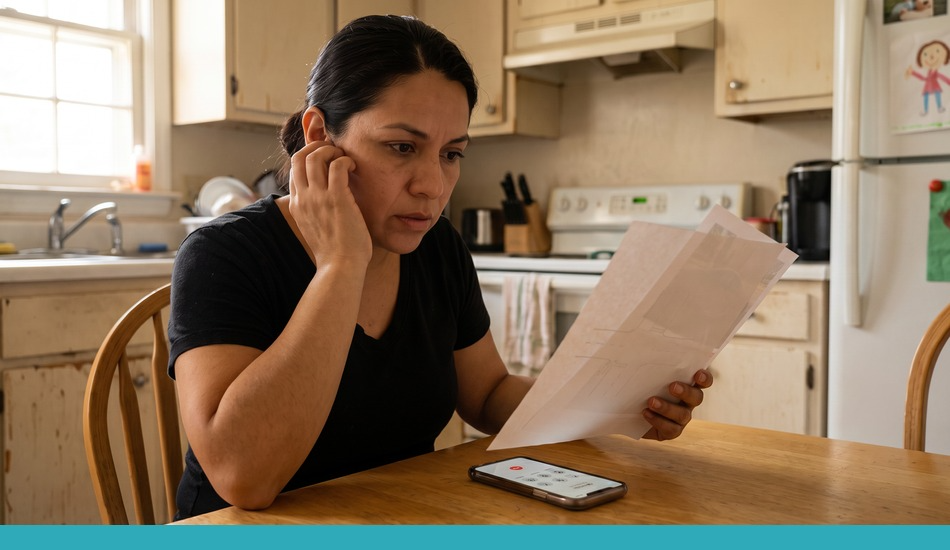
One sentence from an insurance adjuster can make an injured person stop asking for help:
“We believe you were partly at fault.”
In North Carolina, that accusation is serious. North Carolina uses a strict contributory negligence rule, which means fault disputes can have major consequences in a personal injury claim.
But the insurance company’s opinion is not the final word.
Why Adjusters Talk About Partial Fault
The insurance company has a financial reason to look for anything that reduces or defeats the claim.
They may point to:
- Speed
- Distraction
- Lane position
- Failure to avoid the crash
- Delayed medical care
- Conflicting statements
- Lack of witnesses
Some of those arguments may be weak. Some may be incomplete. Some may ignore what the other driver did.
Do Not Argue Alone on a Recorded Call
When an adjuster asks questions, they may be looking for statements that help the insurance company. A polite conversation can still create problems if you guess, minimize symptoms, or agree with wording that is not accurate.
If fault is being disputed, it is worth getting legal advice before giving more statements.
Evidence Matters
A fault dispute may be answered by:
- Crash scene photos
- Vehicle damage
- Witnesses
- Police report details
- Traffic camera or business camera footage
- Medical records
- Road layout
- Weather and lighting
The earlier this evidence is preserved, the better.
Do Not Let Shame Decide the Claim
People often blame themselves after a crash. They replay the moment and wonder whether they could have braked sooner, looked twice, or taken another road. Insurance companies know that injured people can be talked into accepting more blame than they deserve.
North Carolina’s strict fault rule makes that especially dangerous. A casual comment like “I guess I should have seen them” may be used differently than you intended.
You can be honest without guessing. Stick to what you know, and get advice before agreeing with the adjuster’s version of events.
Wilmington and Leland Crash Facts Can Be Messy
Local accidents often involve busy intersections, beach traffic, delivery vehicles, parking lots, and drivers who are unfamiliar with the area. Fault is not always obvious from the first phone call.
That is why the crash report, photos, witness statements, and road layout should be reviewed before accepting the insurance company’s conclusion.
The Bottom Line
If the insurance company says you were partly at fault for a Wilmington or Leland accident, do not assume the claim is over. The adjuster may be using North Carolina’s strict fault rule as leverage.
Before you accept blame or sign anything, come on in, let’s talk. Call Christina Rivenbark & Associates in Wilmington at 910-251-8080 or in Leland at 910-793-0000.



 ES
ES