
Quick Summary
Your first personal injury consultation after a North Carolina accident does not have to be perfect. Bring the documents and details you have, including photos, insurance information, medical records, repair estimates, police report details, witness information, and any messages from the adjuster. This article gives you a practical checklist so the first conversation feels less intimidating.
Calling a lawyer for the first time can feel uncomfortable. You may not know what to bring. You may worry that you do not have enough information. You may wonder whether the accident is even serious enough.
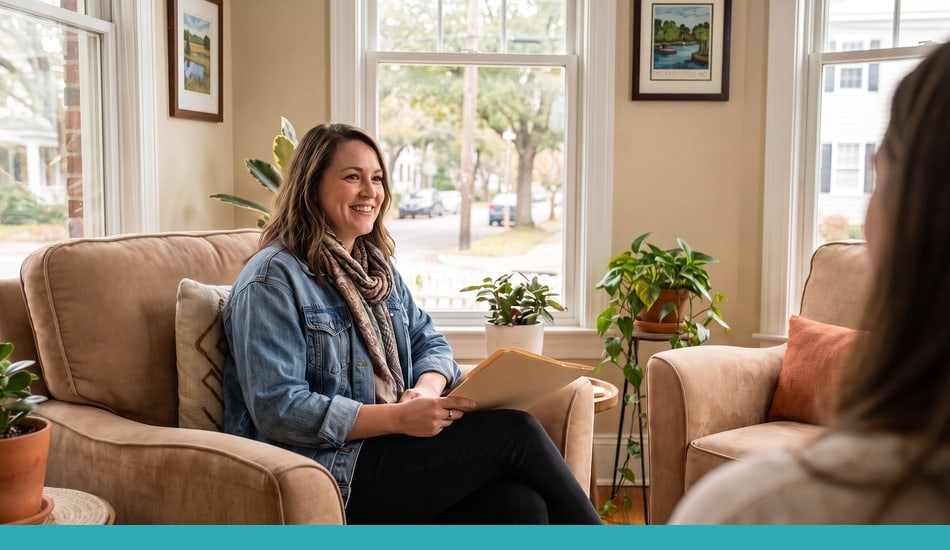
The first consultation is not a test. It is a conversation.
The goal is to understand what happened, what problems have already started, and what needs attention next.
Bring What You Have, Not What You Wish You Had
People often delay calling because they think they need every document first. That is not true.
If you are missing the police report, medical bills, or insurance paperwork, say that. The lawyer can still help you identify what needs to be collected.
Start with what you have:
- photos
- insurance information
- claim numbers
- medical paperwork
- repair estimates
- tow or rental receipts
- names of witnesses
- adjuster letters, emails, or texts
- notes about pain, missed work, and daily limits
Even partial information can help.
It may also help to send photos or documents before the appointment if the firm asks for them. That gives the team time to look for obvious issues, such as a disputed driver, an early settlement offer, or a release that needs attention before you sign.
Accident Information To Bring
Write down the basics while they are still fresh.
Include:
- Date and time of the accident.
- Location of the crash.
- Names and contact information for all drivers.
- Insurance company and policy information.
- Police agency that responded.
- Crash report number, if you have it.
- Whether anyone received a citation.
- Names and numbers for witnesses.
If the crash happened in Wilmington, Leland, New Hanover County, or Brunswick County, the location can matter. Local road conditions, traffic patterns, and higher-speed routes may affect how the accident is understood.
Photos And Videos Are Often More Helpful Than You Think
Bring or send any photos you have.
Useful photos include:
- vehicle damage
- the entire accident scene
- traffic signs or signals
- skid marks, debris, or road conditions
- visible injuries
- repair estimates
- the other driver’s license plate
- your own vehicle before repairs
Do not edit the photos. Keep the originals if possible. If a family member took photos, ask them to send the full set.
People looking for help after a crash can also review the firm’s Wilmington car accident lawyer page to understand how evidence can fit into an injury claim.
Medical Information To Bring
You do not need a complete medical file for the first consultation. But bring whatever you have.
Helpful items include:
- emergency room discharge papers
- urgent care records
- appointment summaries
- prescriptions
- imaging orders or reports
- physical therapy referrals
- medical bills
- health insurance letters
- names of providers you have seen
Also write down symptoms that may not show clearly in paperwork:
- pain that got worse after the crash
- sleep problems
- headaches
- numbness or tingling
- trouble lifting, bending, sitting, or driving
- missed work or reduced hours
This helps connect the medical record to your actual daily life.
Insurance And Adjuster Communications
Bring every message from the insurance companies, even if you are not sure whether it matters.
That includes:
- claim numbers
- adjuster names
- letters
- emails
- text messages
- settlement offers
- medical authorization forms
- recorded statement requests
- property damage estimates
- rental car information
If an adjuster has called you, write down what they asked and what you said. Do not worry if you cannot remember everything. The point is to start building the timeline.
Work And Income Information
If the accident affected your work, bring anything that helps explain that impact.
This may include:
- missed-shift records
- pay stubs
- employer notes
- work restrictions
- texts about missed work
- self-employment invoices or calendars
- notes about tasks you cannot perform
For many people, the financial stress starts before the legal claim is clear. That is one reason it helps to discuss work impact early.
Questions To Ask At The Consultation
Bring your own questions too.
Here are seven worth asking:
- Do I need to talk to the other driver’s insurance company?
- Should I give a recorded statement?
- What should I do if my pain gets worse?
- What if I waited to get treatment?
- What if the other driver says I caused the crash?
- How do attorney fees work?
- What should I avoid signing?
These questions are normal. A good consultation should make the process clearer, not more intimidating.
You Do Not Have To Sound Like A Lawyer
You do not need legal vocabulary. You do not need to know the value of your claim. You do not need to know whether the case will settle or become more formal.
Tell the story in plain language:
- what happened
- what hurts
- what changed
- what the insurance company has said
- what you are worried about
Christina Rivenbark & Associates’ own intake notes emphasize a warmer approach: “Come on in, let’s talk.” Reviews echo that tone. One client wrote that the staff made them feel “comfortable.” Another wrote, “Someone was always available to answer my questions.”
That is what a first consultation should feel like.
If you are nervous, write your questions on paper before the appointment. People often forget what they wanted to ask once the conversation starts. A short list can keep the meeting focused and make sure the practical worries, medical bills, rental car, missed work, calls from the adjuster, do not get lost.
You can also bring a trusted family member if that helps you remember details, as long as the firm says it is appropriate for your situation. The goal is to make the conversation useful, not formal or intimidating.
Start With A Conversation
If you were hurt in a North Carolina accident, do not wait until every document is perfect. Bring what you have and ask what else is needed.
Christina Rivenbark & Associates helps people with personal injury questions in Wilmington and nearby communities.
Come on in, let’s talk. You can contact Christina Rivenbark & Associates or call the Wilmington office at 910-251-8080.



 ES
ES